Chicago Park Districts: A Brief History
During my childhood, some of the most memorable moments with family unfolded outdoors, surrounded by community and friends in the local parks of Chicago.One summer afternoon at a Chicago Parks District playground, my friends and I organized an impromptu game of soccer. The sun was shining, and the air buzzed with the sounds of kids laughing and birds chirping.
We divided into teams, using a worn-out soccer ball I found in the alley. As we ran the field on the uneven grass, dodging around families picnicking nearby, the simple joy of the game brought us all closer. When the game ended, sweaty and tired, we sat under a large oak tree sharing snacks and stories. That day wasn’t just about play—it was about community, friendship, and the freedom that Chicago’s parks so generously offer.
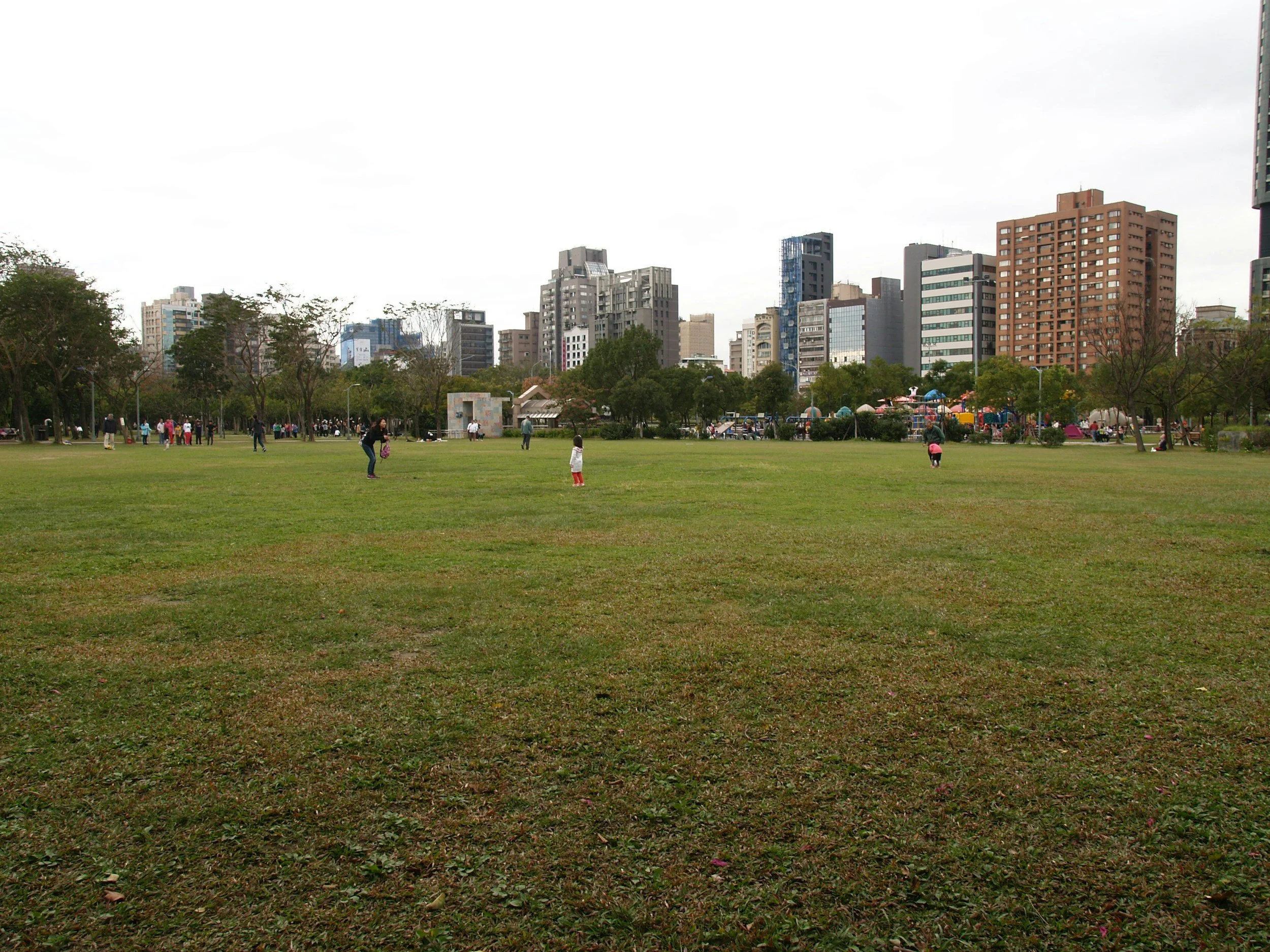
Chicago Parks Life
The history of Chicago park districts dates back to the late 19th century, a time when rapid urbanization created a need for public green spaces. In 1869, the South Park Commission was established as the city’s first park district, tasked with creating and maintaining parks on the South Side. It was followed by the establishment of other independent park districts: the West Park Commission in 1889 and the Lincoln Park Commission in 1869.
These separate entities managed their own parks and facilities, focusing on the development of playgrounds, recreational programs, and green spaces to improve urban living conditions. Each district operated autonomously, which led to varying resources and amenities across Chicago.

In 1934, the city consolidated these independent districts into a single Chicago Park District to streamline management and ensure equal distribution of resources citywide. Since then, the Chicago Park District has grown to oversee more than 600 parks, 30 beaches, and numerous recreational facilities, serving as a critical component of community life by promoting health, wellness, and social inclusion throughout the city.
The awakening social concern for worsening urban conditions coupled with the economic promise that parks offered, opened a great opportunity for the rapid expansion of parks in Chicago and, later, many other Illinois cities (Chicago Park District. "General Superintendent & Chief Executive Officer". chicagoparkdistrict.com. Archived from the original on 14 December 2013. Retrieved 29 March 2016.).
Politics, social reform and design have combined to produce a remarkable level of support for the provision of parks and open space for Illinois residents. Illinois has more independent park districts than any other state. This political and financial structure for the creation of parks in the state has produced an unrivaled collection of historic park landscapes.
The history of Illinois park design begins shortly after the Civil War. Before that time, there is little evidence in this country of land being designed for public use as park land. Large and small cities alike often had public land set aside during the town plotting process. This land took the form of the public green or square, a public landing or market, and school land reserved by law for future construction of school facilities.

Humboldt Park Blvd. | Photo: Pat Jenkins
The nature of this type of public land was such that nothing ensured its continued existence as open space. Courthouses, town halls and other public entities often replaced these open spaces. Additionally, most mid-19th-century cities were small. Residents had ample access to woods, lakes, streams and open countryside for relaxation.
The industrial revolution, immigration and the associated rapid expansion of cities would affect this ability to seek therapeutic open space, prompting the desire for creating public parks. Chicago's population, for example, grew from 20,000 in 1848 to 300.000 in 1870. The city grew with little attention to planning and little provision for parks.
The potential for parks to serve as relief from worsening urban conditions was recognized in the 1858 design and subsequent construction of Central Park in New York. Parks were perceived as a means to encourage orderly expansion of cities, and appeared to improve the economic viability of a district in which they were located. Parks also had become sources of civic pride.

Buckingham Fountain, Grant Park | Photo: MTC Legacy
The Chicago Park District is one of the oldest and the largest park districts in the United States. As of 2016, there are over 600 parks included in the Chicago Park District as well as 27 beaches, several boat harbors, two botanic conservatories, a zoo, and 11 museums. The Chicago Park District also has more than over 230 field houses, 78 public pools, and dozens of sports and recreational facilities, with year-round programming.
The district is an independent taxing authority as defined by Illinois State Statute and is considered a separate (or "sister") agency of the City of Chicago. The district's general superintendent and CEO, Michael P. Kelly, was appointed by the mayor of Chicago and confirmed by the board of commissioners in 2011. The district's headquarters are located in the Time-Life Buildingin the Streeterville neighborhood.
Dr. John H. Rauch MD, who was a member of the Chicago Board of Health and later a president of the Illinois State Board of Health, played a key role in establishing Lincoln Park by persuading city officials to close several festering cemeteries filled with shallow graves of victims of infectious epidemics. Rauch next formulated a central plan for parks across the entire city, noting that they were "the lungs of the city", and pointing out that Chicago's parks were inferior to those in New York's Central Park, Baltimore's Druid Hill Park, and Philadelphia's Fairmount Park. His influence was key in setting up Chicago's modern park system.[4]

Osaka Japanese Garden in Jackson Park | Photo: via MTC Legacy
The current Chicago Park District was created in 1934 by the Illinois Legislature under the Park Consolidation Act. By provisions of that act, the Chicago Park District consolidated and superseded the then-existing 22 separate park districts in Chicago, the largest three of which were the Lincoln Park, West Park, and South Park Districts, all of which had been established in 1869. In the late 1960s, the district lent its support for a Special Olympics for developmental challenged children. The Park District co-sponsored the first Special Olympics at Soldier Field in 1968 (Gilfoyle, pp. 3–4).
In the past several years, the Park District has initiated a program of renovating and revamping existing parks and playgrounds, as well as initiating the building of a number of new parks, including Ping Tom Memorial Park, Ellis Park, DuSable Park Maggie Daley Park and others. The Chicago Park District has also expanded programming in neighborhood parks throughout the city, and created a lakefront concert venue on Northerly Islandon the site of the former Meigs Field airport. In 2014, the district won the National Gold Medal Award for Excellence in Parks and Recreation ("Parks & Facilities". Chicago Park District. Archived from the original on 2007-10-09. Retrieved 2010-01-31).

Lincoln Park Zoo | Photo: via MTC Legacy
Park District land hosts 11 museums in locations around the city. They are:
In addition, the district's parks host the free admission Lincoln Park zoological park., the Garfield Park Conservatory, and the Lincoln Park Conservatory.

Oak Street Beach | Photo: via MTC Legacy
For my family and I, parks and recreational spaces were very important for us to spend time together and enjoy the outdoors. Parks and recreation provide safe spaces for family and friends to unite and enjoy time together outdoors, a major part of my own childhood.