Beyond A Game: Latinos in Sports and Why Representation Matters
Sports are a universal language, a powerful force that inspires, unites, and elevates communities. In the United States, the Latino community, the nation's largest minority group, has long been a passionate and integral part of the sports ecosystem, both as enthusiastic fans and as talented athletes. From the crack of the bat in Major League Baseball (MLB) to the global stage of the Olympics, Latino athletes have shattered stereotypes and left indelible marks on their respective fields.
But their journey hasn't been without obstacles, and the ongoing push for authentic representation is more critical than ever. It is about more than just seeing a face that looks like yours on a trading card; it is about creating opportunities, fostering a sense of belonging, and inspiring future generations to pursue their dreams, on and off the field.
Latino athletes have played a pivotal role in reshaping the narrative within sports such as baseball and beyond, challenging and dismantling long-held stereotypes. Their achievements extend far beyond the playing field, influencing cultural perceptions and inspiring new generations.
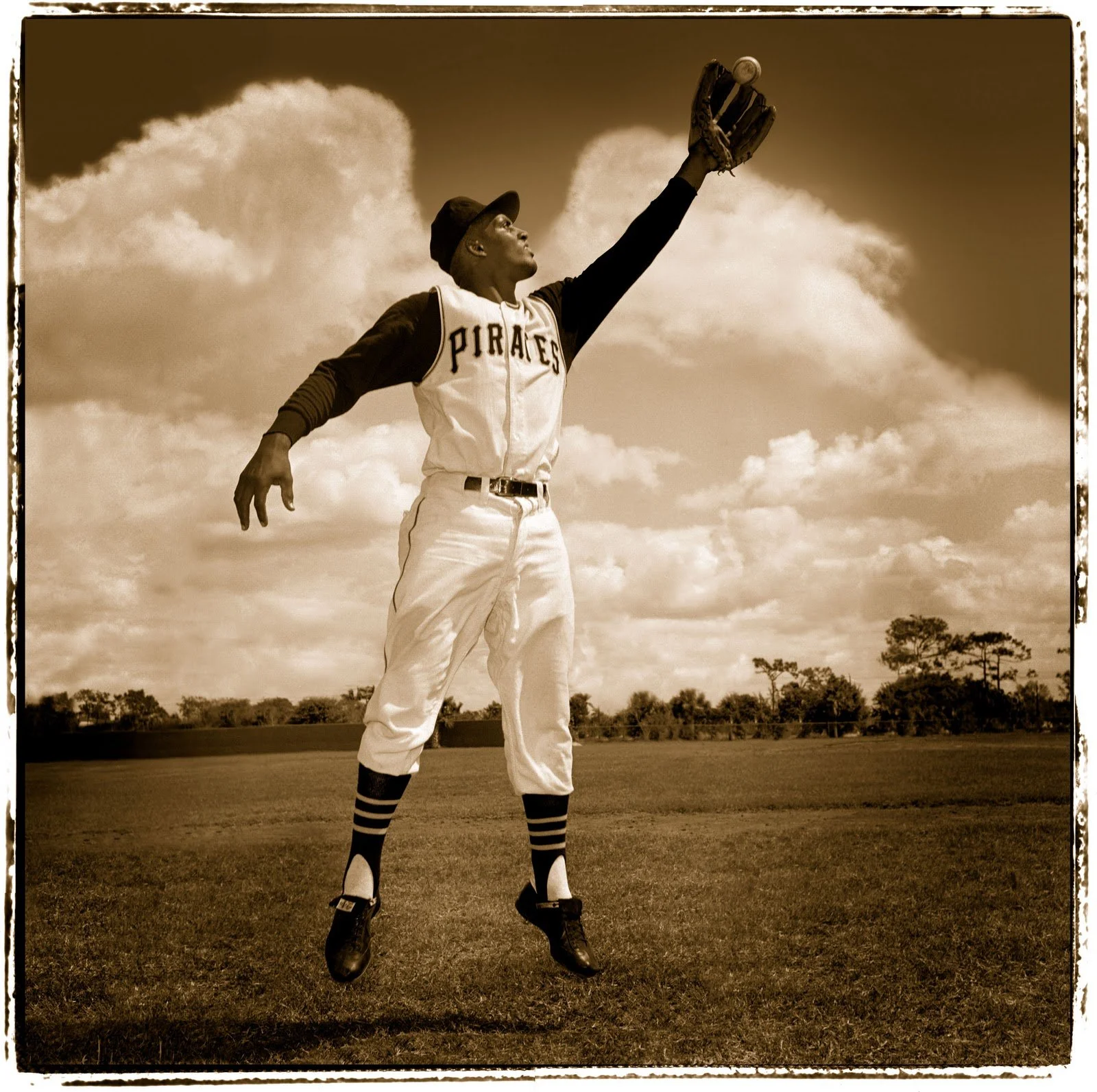
In baseball, figures like Roberto Clemente not only demonstrated extraordinary athletic talent but also embodied leadership and social advocacy, breaking barriers related to ethnicity and representation. The presence of Latino players in Major League Baseball has grown substantially, bringing diverse styles, flair, and competitive excellence that enrich the sport's cultural fabric.
Perhaps no one embodies this legacy of Latinos in sports who made an impact beyond a game like more powerfully than Roberto Clemente. The Hall of Fame outfielder for the Pittsburgh Pirates was not only a 12-time All-Star and World Series champion but also a proud Puerto Rican who demanded respect for his heritage. His decision to address his family in Spanish on live television after his 1971 World Series win was a defining moment, underscoring Latino pride on a national platform. His legacy is a constant reminder of the transformative power of sports in breaking barriers and advocating for social change.
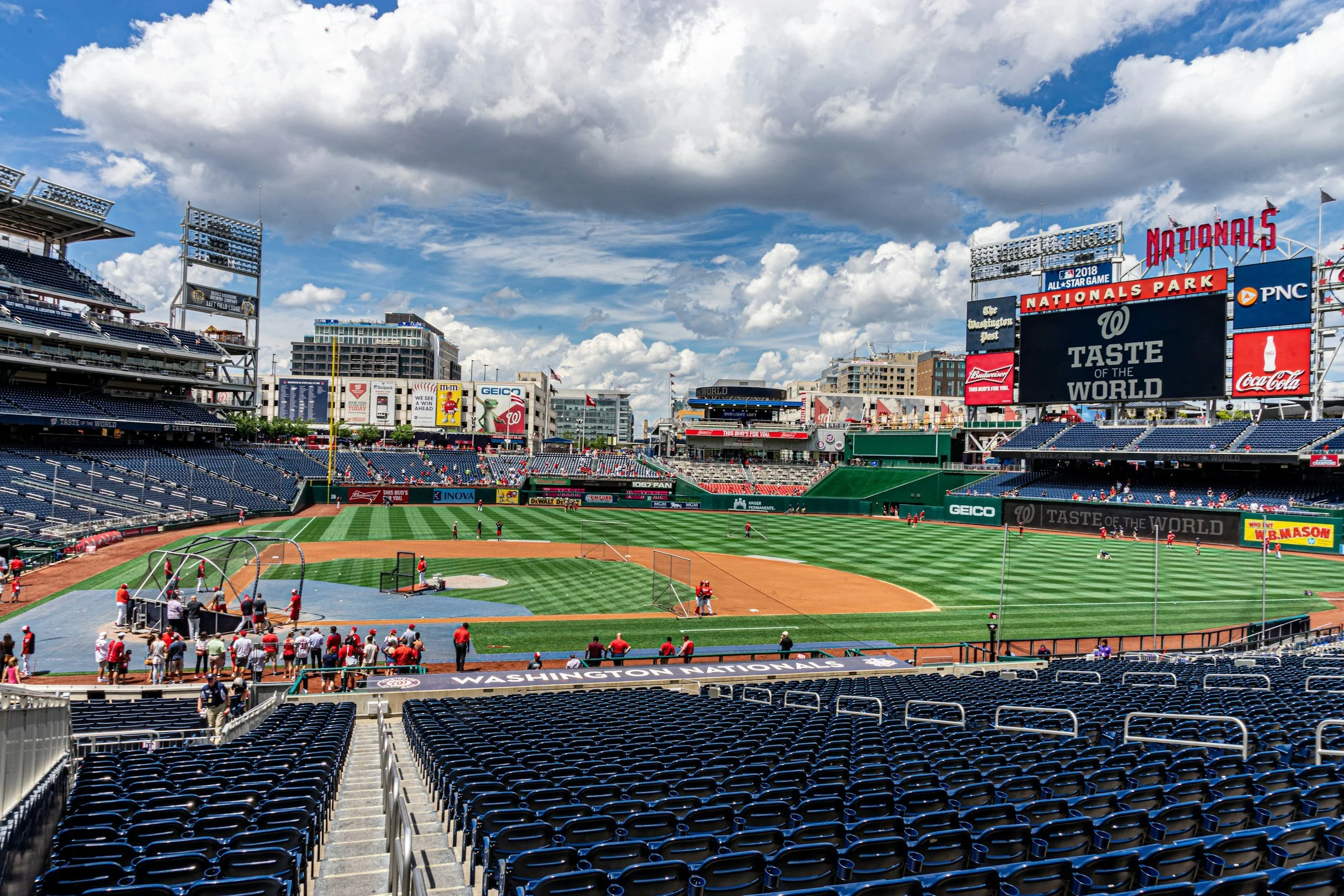
Nationals Park, located in Washington, D.C., is a premier Major League Baseball stadium and home to the Washington Nationals. Opened in 2008, the ballpark has become a central hub for sports, culture, and community engagement in the nation’s capital.| Photo: MTC Media
Beyond baseball, Latino athletes have excelled in sports such as basketball, soccer, boxing, and track and field, carving out legacies that underscore resilience, skill, and dedication. Their impact transcends statistics and records; it fosters a broader understanding of community identity and illustrates the power of sports as a platform for social change.
By challenging stereotypes and excelling at the highest levels, Latino athletes have left indelible marks on their fields, contributing to a more inclusive and representative sporting world. Their stories continue to inspire youth, demonstrating that success in sports is intertwined with cultural pride and community empowerment.
The Power of Seeing "Themselves"
"If you can't see it, how can you ever dream of becoming it?" This fundamental truth captures the essence of why representation is vital.
For young Latino individuals, seeing athletes like Donovan Carrillo making history in figure skating, or Olympic medalist Anita Alvarez representing the Latina community in artistic swimming, sends a powerful message: "You belong here, too". These visible role models help counter stereotypes and inspire aspirations in fields where Latinos have historically been underrepresented, such as figure skating or collegiate sports leadership roles.
Role models demonstrate that hard work, discipline, and cultural pride are not only compatible with success but are sources of strength.
A Legacy of Resilience and Pride
Latino athletes have a rich history in American sports that dates back to the 19th century. Pioneers like Esteban Bellán, the first Latino professional baseball player in 1871, paved the way for generations to come. Esteban Bellán's journey as the first Latin American professional baseball player transcended the boundaries of sports, serving as a foundational symbol of Latino representation in American athletics. Playing in the late 19th century, Bellán broke racial and cultural barriers, proving that Latin American athletes could compete and excel at the highest levels. His presence on the field challenged prevailing stereotypes and opened doors for future Latino players in baseball and other sports.
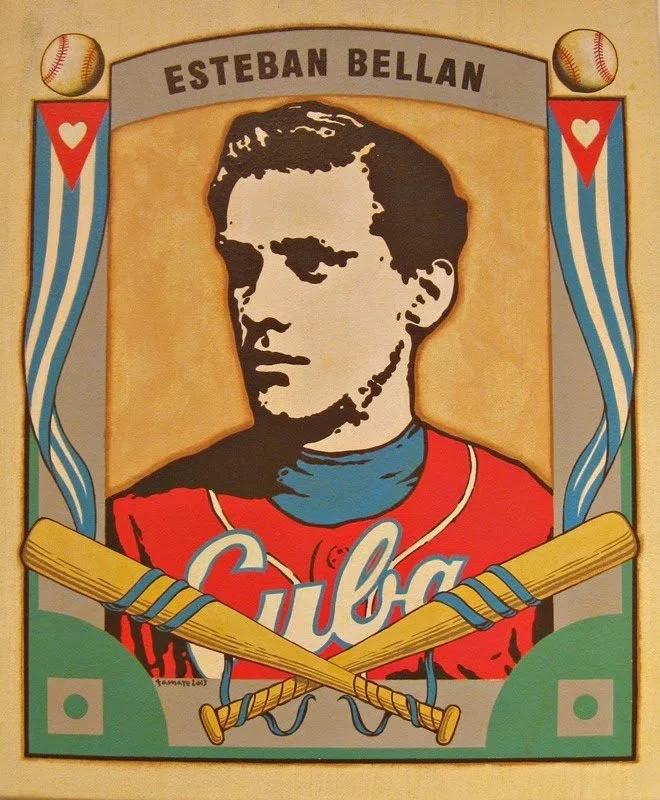
Beyond his athletic achievements, Bellán embodied the potential for sports as a platform for cultural exchange and community empowerment. His success inspired pride among Latino communities and contributed to a growing awareness and appreciation of Latino heritage within American society. This legacy fostered a pathway for increased Latino participation and visibility in sports, influencing not only player demographics but also encouraging institutions to embrace diversity.
By pioneering representation in a time of limited ethnic inclusion, Esteban Bellán's impact went far beyond the game itself. He helped shape the narrative around Latino identity in sports, paving the way for generations to use athletics as a means to challenge social barriers, build community connections, and promote cultural recognition. In this way, Bellán's contributions laid the groundwork for ongoing efforts to create more inclusive and representative sports environments.
Breaking Down Systemic Barriers
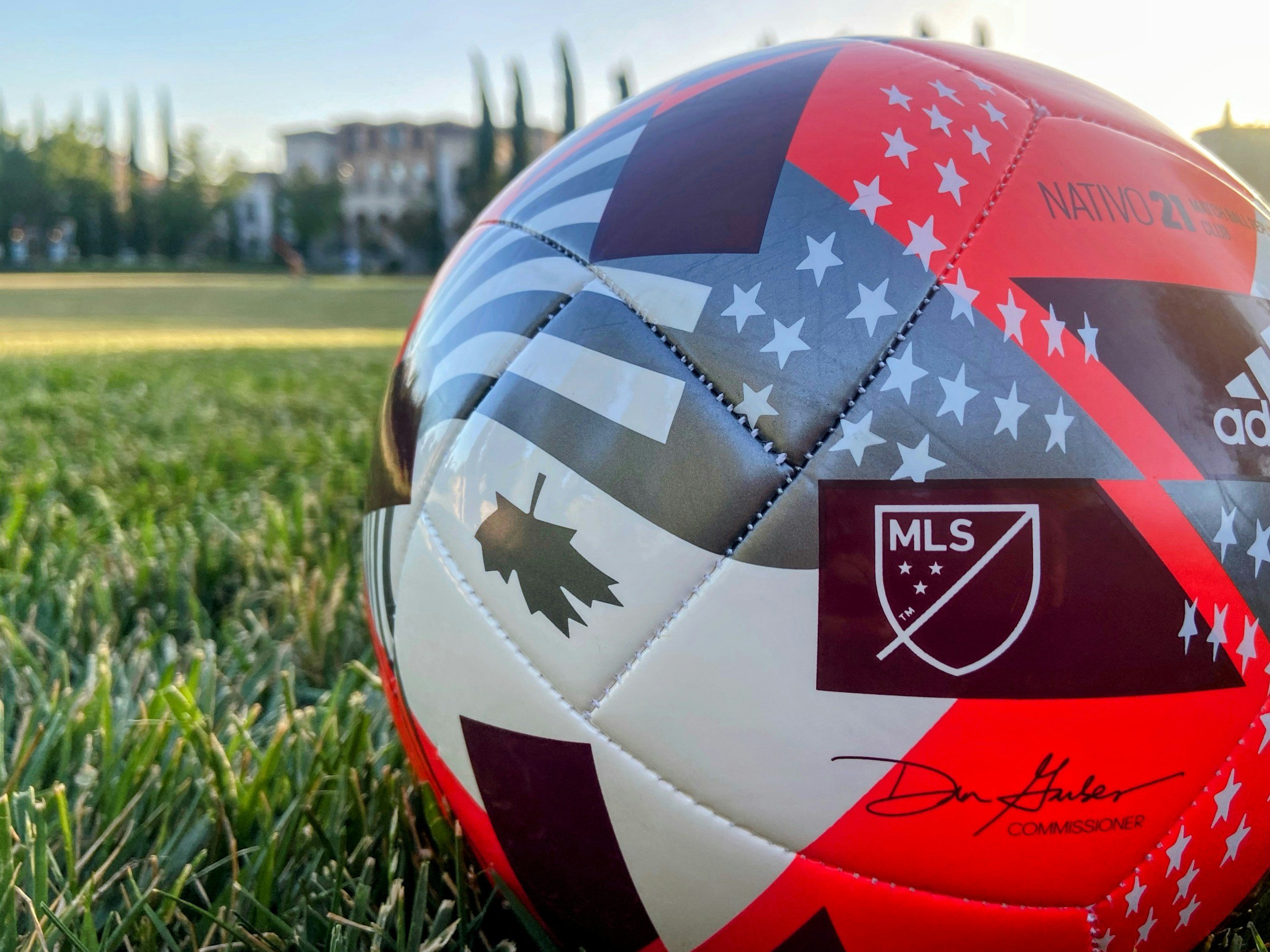
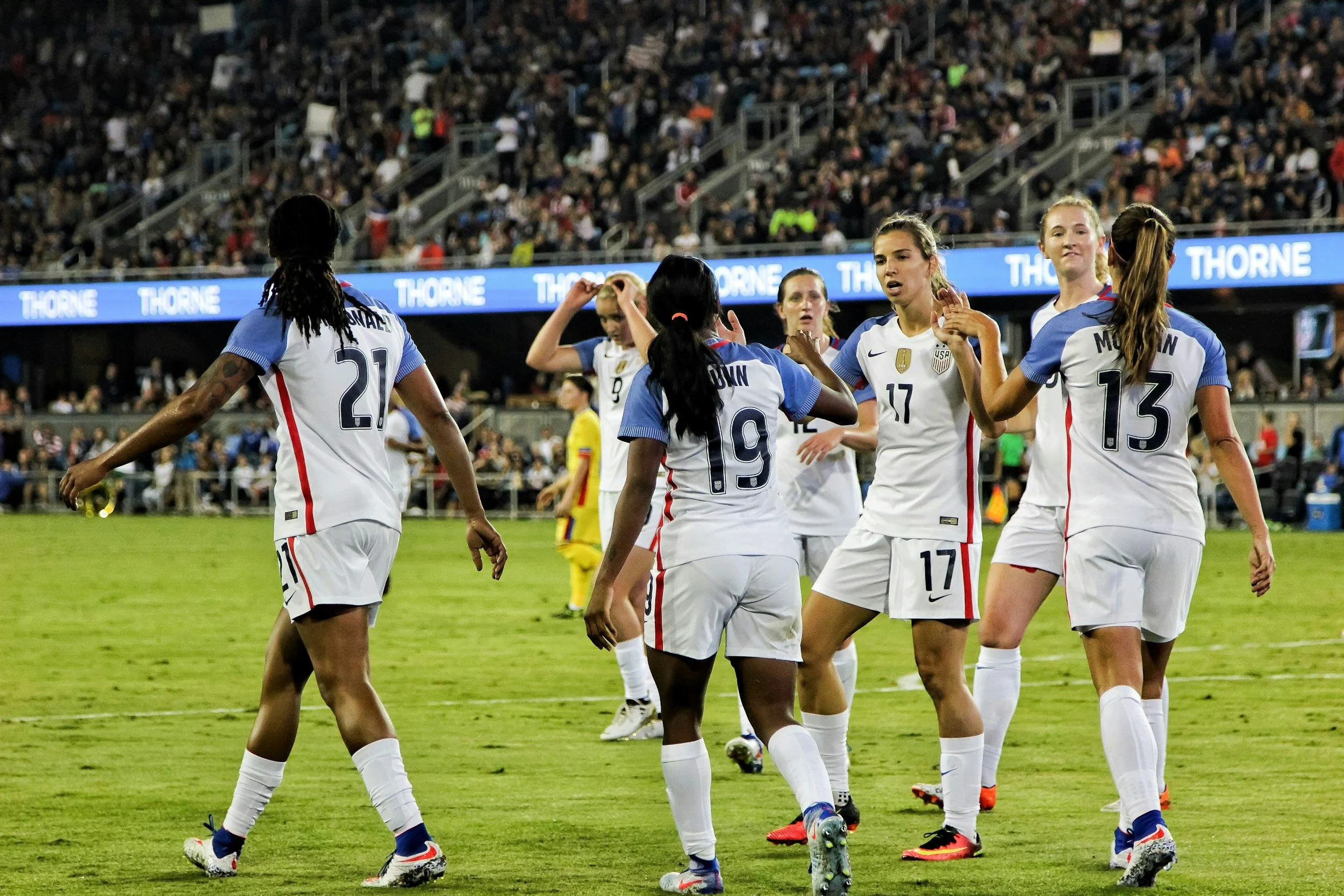
Latinos make up 40% to 50% of Major League Soccer (MLS) fans in the U.S., driven by strong cultural ties to soccer. MLS’s efforts like Spanish broadcasts, community programs, and signing Latino stars have strengthened this connection. Latinos are essential to MLS’s cultural and commercial growth.| Photo: MTC Media